正在确认阅读权限…
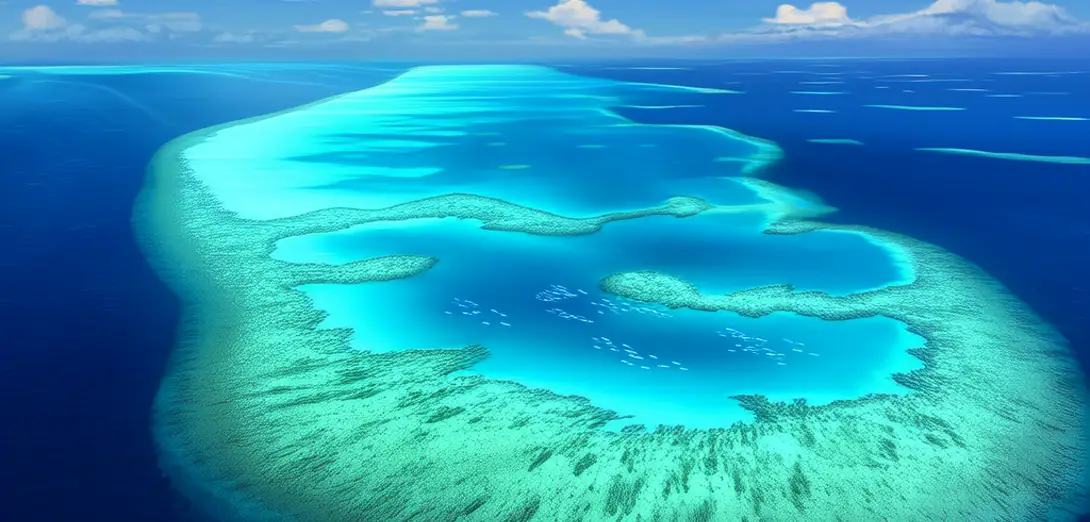
The Great Barrier Reef: A Living Archive of Climate Change
大堡礁:气候变化的活体档案
-
Stretching over 2,300 kilometers, the Great Barrier Reef is the world’s largest coral structure—and visible from space.大堡礁绵延2300多公里,是全球最大的珊瑚结构,甚至从太空可见。
-
Corals build limestone skeletons over millennia, creating layered records of past ocean temperatures and acidity levels.珊瑚历经数千年沉积碳酸钙骨骼,形成记录过去海洋温度与酸度变化的层状档案。
-
Mass bleaching events since 2016 have damaged two-thirds of shallow-water reefs, mainly due to marine heatwaves.自2016年以来的大规模白化事件已破坏三分之二的浅水珊瑚礁,主因是海洋热浪。
-
Indigenous Australian rangers monitor reef health using drones and traditional ecological knowledge of fish migration patterns.澳大利亚原住民护林员结合无人机与关于鱼类洄游的传统生态知识监测珊瑚礁健康状况。
-
Restoration projects now transplant heat-tolerant coral fragments grown in labs onto degraded sections of reef.修复项目现将实验室培育的耐热珊瑚碎片移植到退化礁区。
-
Runoff from sugarcane farms carries nutrients that fuel algal blooms, smothering young corals and blocking sunlight.甘蔗种植园径流携带营养物质,引发藻华,覆盖幼年珊瑚并遮挡阳光。
-
Australia’s Reef 2050 Plan includes stricter water quality targets and bans on dumping dredge spoil near sensitive zones.澳大利亚《2050大堡礁计划》设定了更严格的水质目标,并禁止在敏感区域附近倾倒疏浚淤泥。
-
Citizen scientists log sightings via apps, helping researchers map recovery rates after cyclones and crown-of-thorns outbreaks.公民科学家通过手机应用记录观测数据,协助研究人员追踪气旋和棘冠海星暴发后的恢复进度。