正在确认阅读权限…
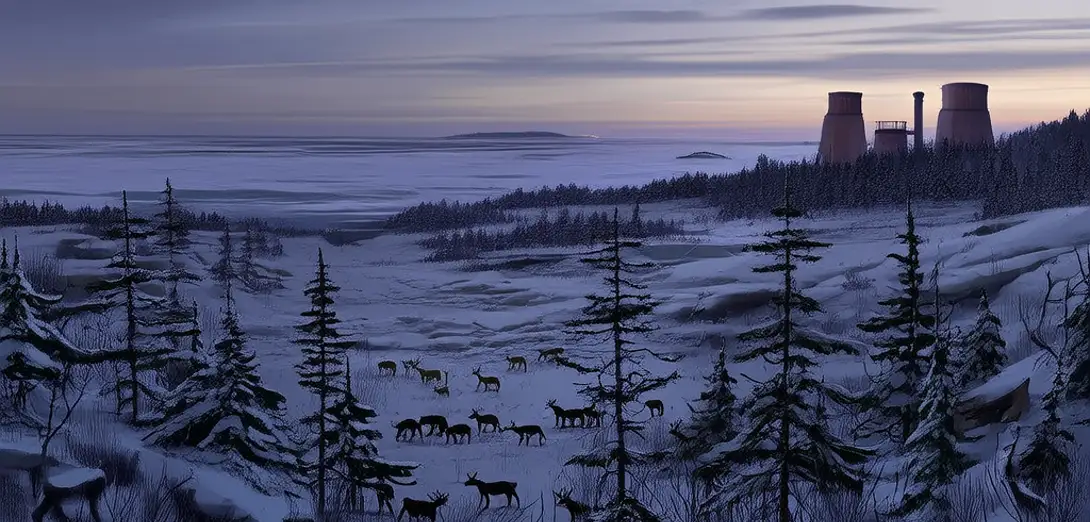
The Kola Peninsula: Permafrost Edge and Industrial Legacy in the Arctic
科拉半岛:北极冻土南缘与工业遗产的叠加
-
Located on Russia’s northwest Arctic coast, the Kola Peninsula marks the southern limit of continuous permafrost in Europe.科拉半岛位于俄罗斯西北部北极海岸,是欧洲连续永久冻土带的南界。
-
Its geology includes ancient igneous rocks rich in apatite, driving decades of large-scale phosphate mining near Kirovsk.其地质以富含磷灰石的古老火成岩为主,推动了基洛夫斯克附近数十年的大规模磷矿开采。
-
Permafrost degradation is accelerating here, causing thermokarst subsidence that damages infrastructure built on frozen ground.此处永久冻土退化正在加速,引发热喀斯特沉降,破坏建于冻土之上的基础设施。
-
Industrial emissions from nickel smelters have acidified soils and created 10-km barren zones around Monchegorsk.镍冶炼厂排放的工业污染物使土壤酸化,并在蒙切戈尔斯克周边形成10公里宽的不毛地带。
-
Coastal cliffs erode faster as sea ice retreats, exposing previously frozen sediments to wave action.随着海冰消退,沿海悬崖侵蚀加剧,原先冻结的沉积物暴露于波浪作用之下。
-
Reindeer herding routes now intersect abandoned mines and radioactive waste sites from Cold War military activity.驯鹿放牧路线如今与废弃矿场及冷战时期军事活动遗留的放射性废物场重叠。
-
Subsurface heat flow varies markedly across fault lines, producing localized taliks—unfrozen zones within permafrost.断层线两侧地下热流差异显著,形成冻土层内的局部未冻区——融区。
-
Wetland methane emissions increase where thawing exposes organic matter previously locked in frozen peat.冻土融化使原本封存在冻泥炭中的有机质暴露,湿地甲烷排放随之增加。
-
Urban heat islands from Murmansk amplify local permafrost loss beyond regional climate trends.摩尔曼斯克的城市热岛效应加剧了当地永久冻土消融,超出区域气候变暖趋势。
-
Geospatial monitoring shows permafrost table depth has shallowed by over 1.2 meters since 1980.地理空间监测显示,自1980年以来永久冻土活动层深度已变浅超过1.2米。