正在确认阅读权限…
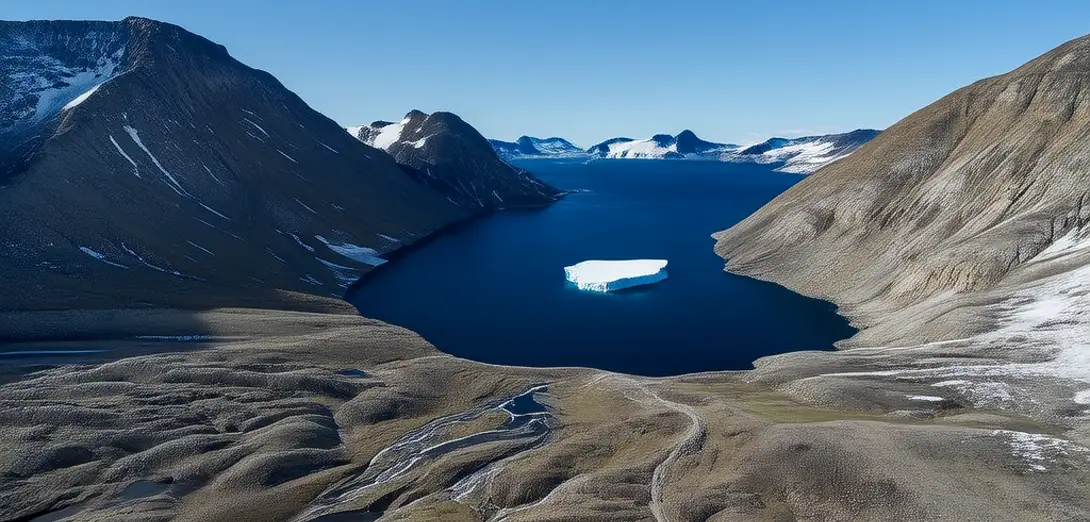
The Svalbard Archipelago: Arctic Spatial Reconfiguration Under Thaw
斯瓦尔巴群岛:冻融驱动下的北极空间重构
-
Svalbard’s glaciers are retreating faster than almost anywhere else on Earth, exposing new land and reshaping fjord geometry.斯瓦尔巴群岛的冰川退缩速度比地球上几乎所有其他地方都快,暴露出新的陆地,并重塑峡湾地貌。
-
Permafrost degradation is causing ground subsidence that damages infrastructure built on assumptions of frozen stability.永久冻土退化导致地面沉降,破坏了原本基于冻土稳定性的基础设施。
-
New ice-free coastlines emerge annually, altering sediment delivery to marine ecosystems and seabird nesting cliffs.每年都有新的无冰海岸线出现,改变了向海洋生态系统和海鸟筑巢悬崖输送的沉积物。
-
Satellite-derived elevation models show how coastal erosion rates doubled between 2000 and 2022 along western Spitsbergen.卫星测得的高程模型显示,2000至2022年间,西斯匹次卑尔根岛沿岸侵蚀速率翻倍。
-
Coal-mining towns like Longyearbyen now face dual pressures: adapting buildings to thawing foundations and managing increased avalanche risk.朗伊尔城等煤矿小镇面临双重压力:改造建筑以适应地基融化,同时应对雪崩风险上升。
-
Marine-terminating glaciers calve more frequently as warming ocean currents undercut their floating tongues.随着暖流侵蚀冰川入海部分的浮冰舌,海洋终止型冰川崩解更加频繁。
-
Botanists document northward shifts in vascular plant ranges, while polar bears spend longer on land with shrinking sea ice.植物学家记录到维管植物分布范围持续北移,而北极熊因海冰萎缩在陆地上停留时间更长。
-
Research stations track how thaw-driven landslides reorganize drainage networks across formerly stable slopes.科考站监测到,由冻土融化引发的滑坡正重新组织原先稳定山坡上的排水网络。
-
Shipping routes through previously ice-locked passages now open seasonally, raising sovereignty and environmental monitoring questions.以往被海冰封锁的航道如今季节性通航,引发主权归属与环境监测新问题。
-
This archipelago exemplifies how cryospheric change redefines not only terrain, but also jurisdictional, ecological, and logistical space.这座群岛典型体现了冰冻圈变化不仅重塑地形,也重构管辖权、生态与物流空间。