正在确认阅读权限…
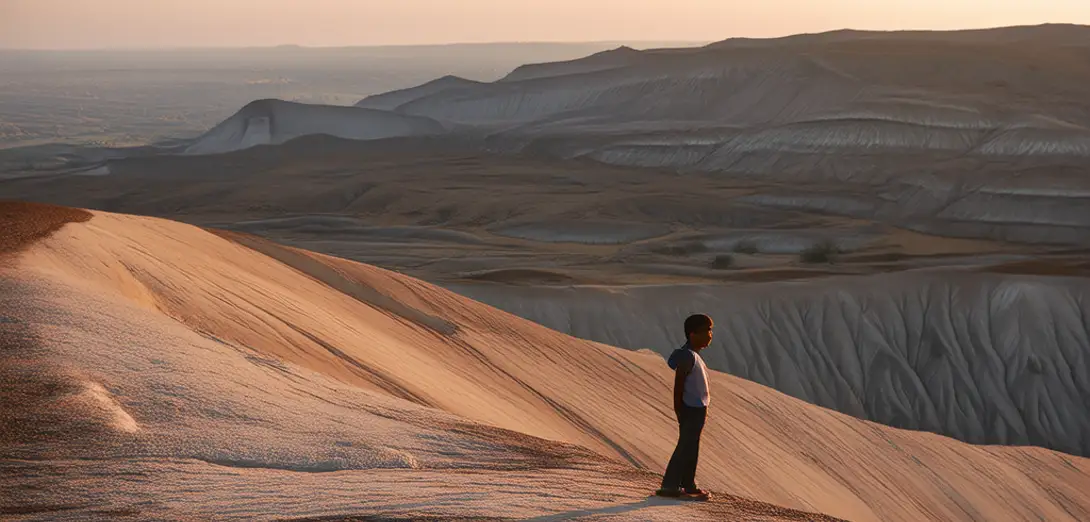
The Deccan Traps: Volcanic Stratigraphy as Landscape Memory
德干暗色岩:火山地层作为地貌记忆
-
The Deccan Traps cover 500,000 km² of west-central India with layered basalt flows up to 2,000 meters thick.德干暗色岩覆盖印度中西部50万平方公里,玄武岩熔岩层最厚达2000米。
-
These eruptions occurred over ~1 million years around the Cretaceous-Paleogene boundary, possibly influencing global climate and extinction events.这些喷发发生在白垩纪—古近纪界线前后约100万年间,可能影响了全球气候与生物大灭绝事件。
-
Each flow unit cooled at different rates, creating columnar jointing, weathering-resistant plateaus, and fertile black cotton soils.每层熔岩流冷却速度不同,形成了柱状节理、抗风化高原及肥沃的黑棉土。
-
River valleys like the Godavari cut vertically through trap layers, exposing cross-sections that reveal eruption frequency and gas content.戈达瓦里河等河谷垂直切穿暗色岩层,暴露出的剖面揭示了喷发频率与气体含量。
-
Lava tubes and basalt caves host unique bat colonies adapted to stable, cool, high-CO₂ microclimates.熔岩管和玄武岩洞穴栖息着适应稳定、凉爽、高二氧化碳微环境的独特蝙蝠群落。
-
Geographers analyze how trap topography directs monsoon winds, causing sharp rainfall gradients across short distances.地理学家分析暗色岩地形如何引导季风,导致短距离内降雨量急剧变化。
-
Laterite caps form selectively on older flows, indicating past humid climates and guiding groundwater recharge modeling today.后期形成的红土盖层仅出现在较老熔岩流上,指示过去湿润气候,并指导当今地下水补给建模。
-
Urban expansion in Pune and Nagpur confronts engineering challenges posed by fractured basalt aquifers and variable bedrock depth.浦那和那格浦尔的城市扩张面临玄武岩裂隙含水层与基岩深度多变带来的工程挑战。
-
Satellite thermal imaging detects subtle surface temperature differences linked to subsurface flow pathways in weathered traps.卫星热成像可探测风化暗色岩表面细微温差,进而识别地下水流路径。
-
Rather than viewing volcanism as a single catastrophic event, this province demonstrates how layered time becomes tangible terrain.该火山区并非单一灾难性事件,而是展现了时间如何层层累积为可触摸的地形。