正在确认阅读权限…
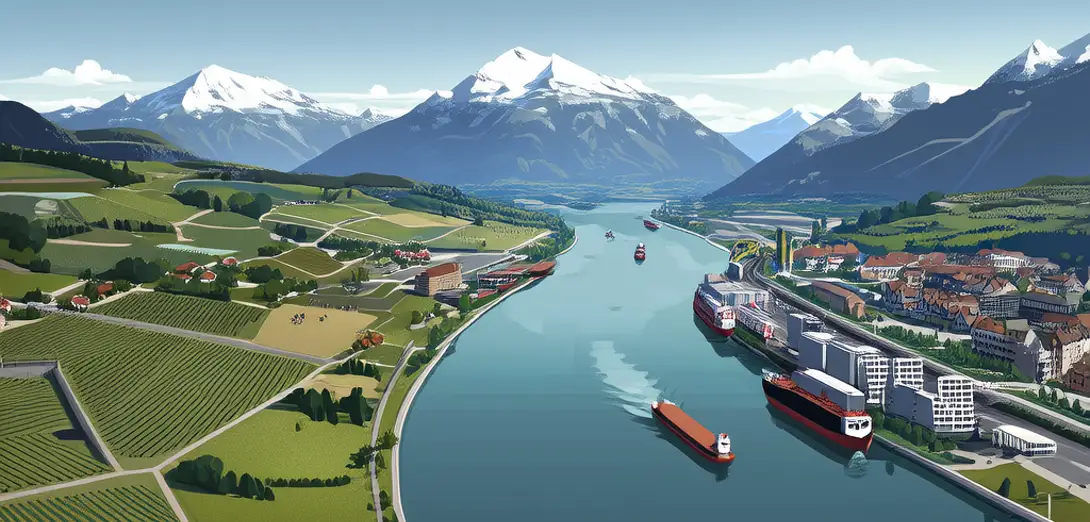
The Rhine: Europe’s Liquid Highway
莱茵河:欧洲的液态高速公路
-
Flowing 1,233 kilometers from the Swiss Alps to the North Sea, the Rhine carries more cargo than any other European river.莱茵河发源于瑞士阿尔卑斯山,全长1233公里,注入北海,货运量居欧洲各河流之首。
-
Barges transport coal, grain, chemicals, and cars—accounting for over 40% of inland freight in Germany and the Netherlands.驳船运输煤炭、谷物、化工品和汽车,占德国和荷兰内陆货运总量的40%以上。
-
Treaties signed since 1815 have kept the Rhine open to all nations, making it a rare example of long-term transboundary cooperation.自1815年以来签署的多项条约确保莱茵河对所有国家开放,成为长期跨国合作的罕见范例。
-
After severe pollution in the 1980s, the International Commission for the Protection of the Rhine cut industrial discharges by 90%.针对20世纪80年代的严重污染,国际莱茵保护委员会将工业排污削减了90%。
-
Salmon returned to Basel in 2012 after a 130-year absence, thanks to fish ladders and restored gravel spawning beds.得益于鱼道建设和砾石产卵床修复,鲑鱼于2012年重返巴塞尔,结束了长达130年的缺席。
-
Floodplains were reconnected near Cologne to absorb overflow during high-water events, reducing pressure on urban levees.科隆附近恢复了洪泛区与河道的连通,可在高水位时蓄滞洪水,减轻城市堤防压力。
-
Wine-growing villages line its steep banks, where south-facing slopes and slate soils create ideal microclimates for Riesling.陡峭河岸上坐落着众多葡萄酒产区村庄,朝南坡地与板岩土壤共同造就了雷司令葡萄生长的理想微气候。
-
GPS-enabled navigation systems now guide ships through narrow locks, minimizing delays caused by human error or weather.如今,配备GPS的导航系统引导船舶通过狭窄船闸,大幅减少人为失误或天气导致的延误。