正在确认阅读权限…
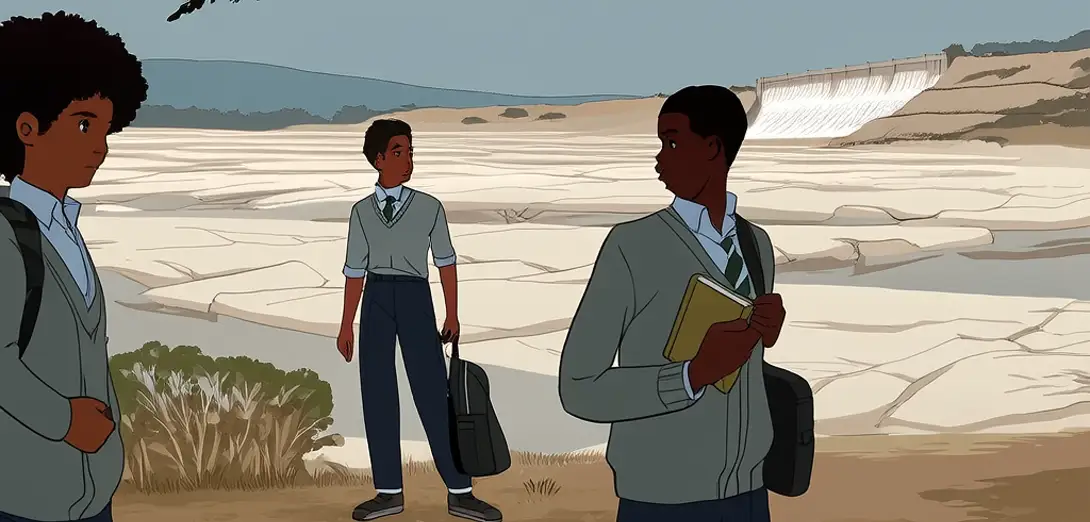
Cape Town’s Day Zero: Water Scarcity in a Global City
开普敦‘零水日’:全球城市的水资源危机
-
In early 2018, Cape Town nearly became the first major city in the world to turn off municipal taps—a scenario called ‘Day Zero’.2018年初,开普敦险些成为全球首个关闭市政供水的大型城市,这一情形被称为‘零日’。
-
Three consecutive dry winters, combined with population growth and aging infrastructure, pushed reservoir levels below 11.4% capacity.连续三个干旱冬季,叠加人口增长与基础设施老化,致使水库蓄水量降至总容量的11.4%以下。
-
Residents cut daily usage to under 50 liters per person—less than one-quarter of the global urban average.居民日均用水量降至每人50升以下,不足全球城市人均水平的四分之一。
-
The city installed smart meters, recycled wastewater for industry, and accelerated groundwater well development.该市安装智能水表,将再生水用于工业,并加快地下水井建设。
-
Farmers upstream reduced irrigation on vineyards and fruit orchards, accepting lower yields to conserve shared aquifers.上游农民减少葡萄园和果园灌溉,主动接受减产以保护共用含水层。
-
Desalination plants were built rapidly, though their high energy costs raised concerns about long-term sustainability.海水淡化厂快速建成,但其高昂能耗引发对长期可持续性的担忧。
-
Public campaigns used real-time dam level maps and social media to encourage behavioral change across income groups.公共宣传活动借助实时水坝水位图和社交媒体,推动各收入群体改变用水行为。
-
Although heavy rains eventually postponed Day Zero, the crisis reshaped national water policy and urban planning priorities.尽管强降雨最终推迟了‘零日’,但此次危机重塑了南非国家水政策与城市规划重点。