正在确认阅读权限…
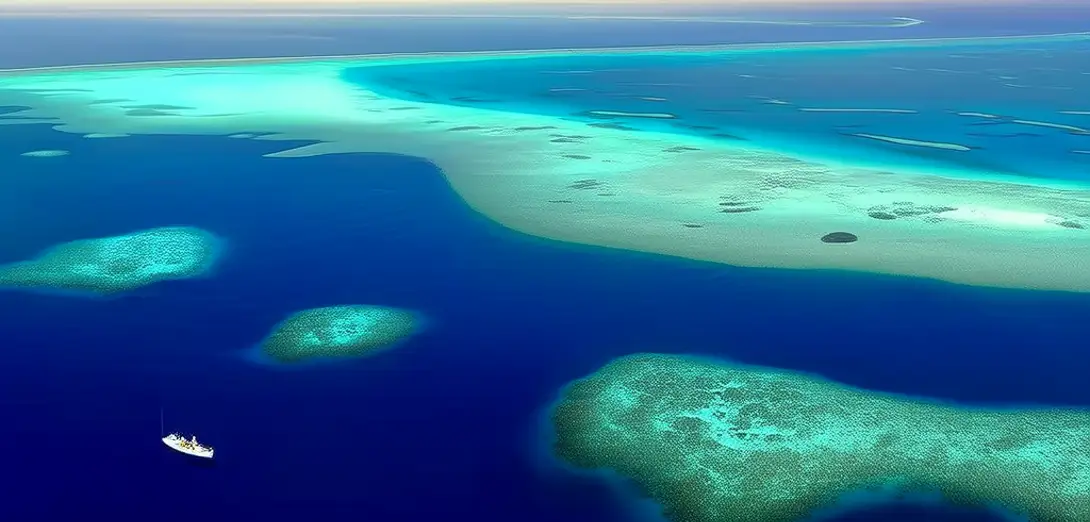
The Great Barrier Reef Resilience Framework: Adaptive Governance in a Warming Ocean
大堡礁韧性框架:暖化海洋中的适应性治理
-
Australia’s Great Barrier Reef Marine Park Authority now manages coral reefs not as static assets to be preserved, but as dynamic ecosystems undergoing managed transformation under accelerating thermal stress.澳大利亚大堡礁海洋公园管理局如今不再将珊瑚礁视为需静态保护的资产,而是将其作为在日益加剧的热胁迫下 undergoing managed transformation 的动态生态系统进行管理。
-
The 2023 Reef Restoration and Adaptation Program deploys assisted gene flow—transplanting heat-tolerant Acropora fragments from northern reefs to southern recovery zones—under strict genomic provenance tracking.2023年珊瑚礁修复与适应计划实施辅助基因流动——将北部礁区耐热的鹿角珊瑚碎片移植至南部恢复区,并严格追踪其基因来源。
-
Tourism permits require operators to contribute to the Reef Trust’s insurance pool, which disburses rapid-response funds for crown-of-thorns starfish culls following larval outbreak predictions.旅游许可要求运营商向大堡礁信托保险池注资,该保险池依据棘冠海星幼体暴发预测,快速拨付资金开展清除行动。
-
Indigenous Sea Country Partnerships grant Traditional Owners co-management authority over 36 percent of the reef’s area, integrating millennia-old fire-and-flood calendars into bleaching early-warning systems.原住民‘海洋故土’伙伴关系赋予传统所有者对36%礁区的联合管理权,将传承数千年的火与洪水历法融入白化早期预警系统。
-
Satellite sea surface temperature alerts trigger automatic moratoria on dredging and coastal construction within 50 kilometers of high-risk reef sections, preempting compounding stressors.卫星海表温度警报一旦触发,即自动禁止高风险礁区50公里范围内开展疏浚及沿海建设,以避免多重胁迫叠加。
-
Coral IVF techniques—collecting gametes during mass spawning events and rearing larvae in offshore nurseries—have achieved 32 percent settlement success in pilot sites, scaling beyond lab trials.珊瑚体外受精技术——在大规模产卵期采集配子、于近海苗圃培育幼体——已在试点区域实现32%的幼体附着成功率,突破实验室阶段走向规模化应用。
-
The Reef 2050 Long-Term Sustainability Plan measures success not by coral cover alone, but by functional diversity indices capturing fish biomass, herbivore grazing rates, and calcification resilience.《2050大堡礁长期可持续性计划》不单以珊瑚覆盖率为衡量标准,更采用功能多样性指数,涵盖鱼类生物量、草食性鱼类摄食率及钙化抗逆力等指标。
-
Insurance-linked securities now fund reef interventions: investors receive returns tied to verified reductions in macroalgal dominance—a market mechanism aligning finance with ecological outcomes.与保险挂钩的证券为珊瑚礁干预项目提供资金:投资者收益与大型藻类优势度的实际降低幅度挂钩,以市场化机制使金融目标与生态成效保持一致。
-
Coastal catchment management mandates fertilizer reduction targets for sugarcane farms, recognizing that land-based nutrients exacerbate thermal bleaching susceptibility by promoting algal competitors.沿海流域管理强制甘蔗种植农场设定化肥减量目标,因陆源营养盐会助长藻类竞争,加剧热胁迫下的白化易感性。
-
Reef health dashboards integrate Indigenous knowledge indicators—such as turtle nesting density and dugong vocalization patterns—with sensor-derived pH and aragonite saturation data.珊瑚礁健康仪表盘整合原住民知识指标(如海龟筑巢密度、儒艮叫声模式)与传感器获取的pH值及文石饱和度数据。
-
Governance is deliberately polycentric: federal, state, Traditional Owner, and tourism industry bodies hold veto power over major interventions, preventing technocratic unilateralism.治理结构刻意设计为多中心制:联邦政府、州政府、原住民及旅游业代表机构对重大干预措施均拥有否决权,防止技术官僚单边决策。
-
This is resilience not as bounce-back, but as intentional reconfiguration—accepting that the reef of 2100 will differ profoundly, yet remain ecologically and culturally vital.这种韧性并非简单‘反弹复原’,而是主动重构——承认2100年的大堡礁将发生深刻变化,却仍保有生态与文化上的核心价值。