正在确认阅读权限…
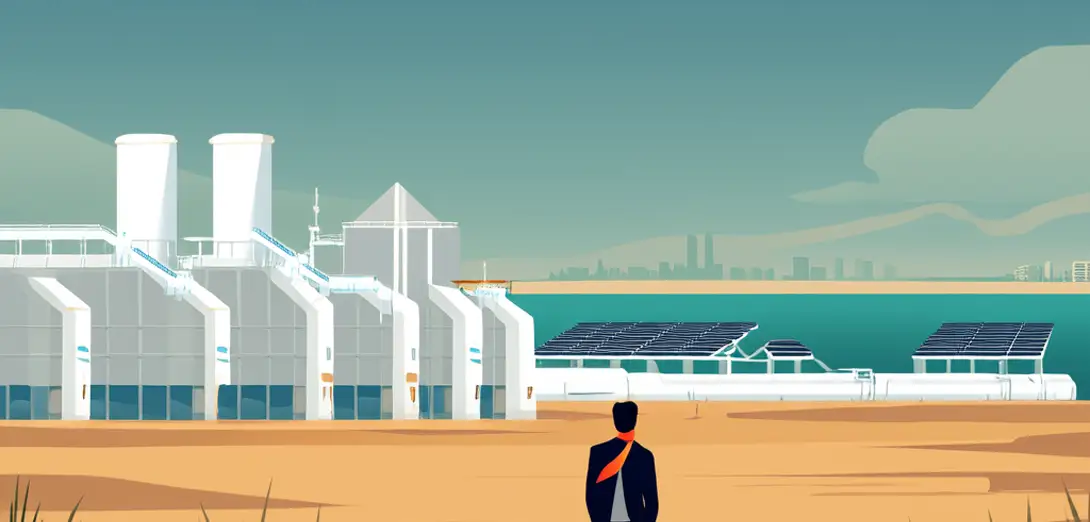
Qatar’s Desalination Paradox: Water Security Amidst Energy Intensity
卡塔尔的海水淡化悖论:能源密集型水安全
-
Qatar produces over 1.2 million cubic meters of desalinated water daily—meeting 99 percent of its municipal demand—but consumes 15 percent of its total electricity generation solely for this process, creating a thermodynamic vulnerability.卡塔尔每日生产超120万立方米淡化水,满足99%的市政用水需求,但该过程消耗全国15%的发电量,形成热力学脆弱性。
-
The Ras Abu Fontas plant uses multi-stage flash distillation powered by waste heat from adjacent power stations, achieving 38 percent higher thermal efficiency than reverse osmosis facilities in Dubai or Singapore.拉斯阿布丰塔斯水厂利用邻近电厂余热驱动多级闪蒸工艺,其热效率比迪拜或新加坡的反渗透设施高38%。
-
Water tariffs are tiered: the first 15 cubic meters per household per month cost $0.12/m³, while usage above 100 m³ jumps to $2.85/m³—using price signals to curb profligate consumption without compromising basic access.水价实行阶梯制:每户每月前15立方米仅0.12美元/立方米,超过100立方米部分升至2.85美元/立方米,以价格信号抑制浪费,同时保障基本用水权。
-
Desalination brine discharge is regulated under the Gulf Cooperation Council’s Marine Environmental Protocol, mandating diffuser designs that achieve 100:1 dilution within 500 meters of outfall pipes.淡化浓盐水排放受海湾合作委员会《海洋环境协议》约束,要求扩散器设计确保排口500米内实现100:1稀释。
-
Research partnerships with KAUST focus on boron removal membranes that extend membrane life by 40 percent, reducing replacement frequency and associated embodied energy.与阿卜杜拉国王科技大学(KAUST)的合作研究聚焦硼去除膜,可延长膜寿命40%,降低更换频次及隐含能耗。
-
National water conservation campaigns target elite residential compounds—where per capita consumption exceeds 500 liters/day—using anonymized benchmarking dashboards visible to building managers.国家节水宣传重点面向精英住宅区——人均日用水超500升——向楼宇管理者提供匿名化对标仪表盘。
-
Solar PV arrays installed atop desalination intake structures power auxiliary pumps, cutting grid dependence by 12 percent during peak summer demand periods.淡化水取水构筑物顶部安装光伏阵列,为辅助泵供电,使夏季用电高峰期间电网依赖度降低12%。
-
The 2022 National Water Strategy explicitly treats water-energy nexus risks as national security concerns, allocating defense-budget-level contingency funds for grid resilience upgrades.2022年《国家水战略》明确将水-能关联风险列为国家安全议题,并划拨相当于国防预算级别的应急资金用于电网韧性升级。
-
Greywater recycling ordinances require all new commercial buildings over 20,000 m² to install dual plumbing systems, diverting 70 percent of non-potable water to landscape irrigation.中水回用条例规定:所有新建商业建筑若面积超2万平方米,须安装双管供水系统,将70%非饮用水转用于景观灌溉。
-
Brine valorization pilots extract lithium and magnesium from concentrate streams—not for profit, but to offset disposal liabilities and reduce marine salinity loading.浓盐水资源化试点项目从浓缩液中提取锂与镁——目的非盈利,而是抵消处置责任并减轻海洋盐度负荷。
-
Qatar’s approach rejects false binaries: it pursues technological optimization *and* behavioral modulation, treating desalination not as a solution, but as a managed dependency.卡塔尔摒弃非此即彼的伪命题:既追求技术优化,也推动行为调节,视淡化水为需主动管理的依赖,而非终极解决方案。
-
Its water security rests not on abundance, but on layered redundancy—energy diversity, tariff design, infrastructural modularity, and institutional accountability.其水安全不倚赖资源丰裕,而源于多层冗余——能源多元化、水价机制、模块化基础设施与制度化问责。