正在确认阅读权限…
Patagonia’s Glacial Retreat: Hydrological Memory and Transboundary Water Futures
巴塔哥尼亚冰川退缩:水文记忆与跨境水未来
-
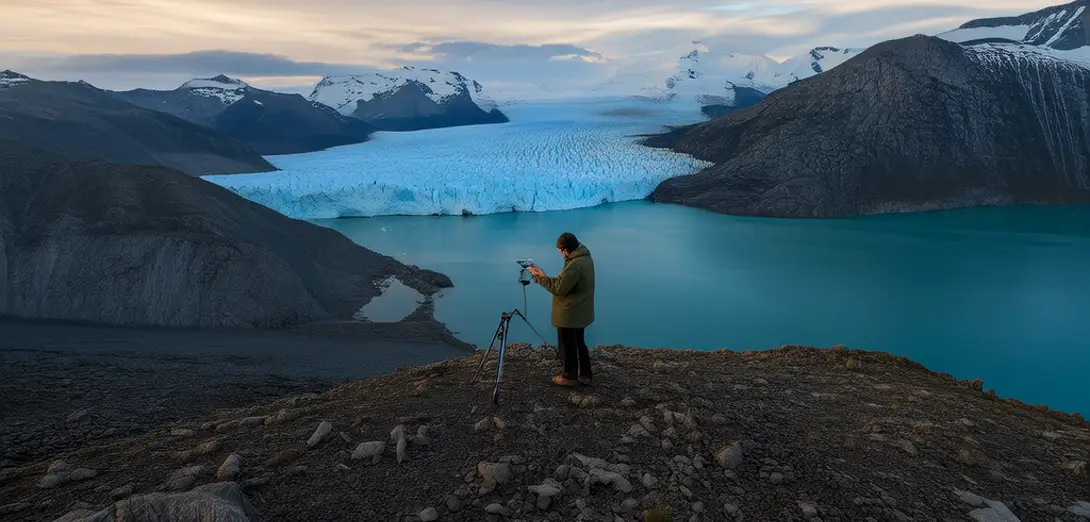
Patagonia’s Northern and Southern Ice Fields—containing 82 percent of South America’s glacier volume—are losing mass at 48 gigatons annually, reshaping river regimes that millions depend on for irrigation, hydropower, and drinking water.巴塔哥尼亚北部和南部冰原——占南美洲冰川总量的82%——正以每年480亿吨的速度消融,重塑着数百万民众赖以生存的灌溉、水电及饮用水河流系统。
-
The Baker River in Chile now exhibits 37 percent higher spring runoff but 52 percent lower summer baseflow—a temporal redistribution that undermines existing reservoir operating rules calibrated for glacial steadiness.智利巴克尔河春季径流量现比以往高出37%,但夏季基流却下降52%——这种时间分布变化破坏了原本基于冰川稳定性的水库运行规则。
-
Argentina and Chile’s 1991 Boundary Treaty lacks provisions for glacial retreat-induced border shifts, leaving sovereignty claims over newly exposed lakebeds legally ambiguous and diplomatically fraught.阿根廷与智利1991年边界条约未规定冰川退缩引发的边界变动,导致新暴露湖床的主权归属在法律上模糊、外交上棘手。
-
Glacier inventory databases maintained by Argentina’s IANIGLA and Chile’s DGA now share APIs, enabling joint hydrological modeling that informs binational hydropower dispatch protocols.阿根廷IANIGLA与智利DGA维护的冰川数据库现已共享API,支持联合水文建模,为两国水电调度协议提供依据。
-
Indigenous Tehuelche oral histories describe glacial landmarks now vanished—providing paleoclimatic context that complements ice-core data and challenges narrow instrumental baselines.原住民特维尔切人的口述史记载了已消失的冰川地标——为古气候研究提供补充视角,弥补冰芯数据局限,并挑战狭隘的器测基准。
-
Agrarian cooperatives in Aysén Region have adopted rotational irrigation schedules synchronized with glacial melt pulses, moving away from fixed calendar-based water allocations.阿伊森地区农业合作社已采用轮灌制度,按冰川融水脉冲动态调整,取代固定日历式的配水方式。
-
The 2023 Patagonian Glacier Protection Law establishes ‘glacier protection zones’ where mining and road construction require joint binational environmental impact assessments.2023年《巴塔哥尼亚冰川保护法》设立‘冰川保护区’,区内采矿与修路须开展联合跨境环评。
-
Satellite altimetry detects subglacial lakes forming beneath retreating ice—raising concerns about jökulhlaup-style floods that could breach aging hydropower infrastructure.卫星测高技术探测到退缩冰盖下形成冰下湖——引发对类似冰湖溃决洪水的担忧,此类洪水可能冲毁老化的水电基础设施。
-
Tourism operators now train guides in glaciological literacy, reframing glacier viewing not as passive spectacle, but as witnessing active geophysical transformation with ethical stakes.旅游运营商现对向导开展冰川学素养培训,将观冰活动从被动观赏转为见证具有伦理意义的活跃地质变迁。
-
Hydroelectric concession renewals in both countries now mandate climate-resilient turbine designs capable of operating efficiently across wider flow variability ranges.两国水电特许权续期 now 强制要求采用气候韧性涡轮机设计,使其能在更宽幅的流量波动范围内高效运行。
-
Scientists warn that glacier loss may accelerate beyond current models if meltwater lubrication triggers ice-sheet instability—an unknown tipping point with cascading implications for Andean water security.科学家警告,若融水润滑触发冰盖失稳,冰川消融或远超当前模型预测——这一未知临界点将对安第斯山区水安全产生连锁影响。
-
The region’s future hinges not on halting retreat—which is now inevitable—but on institutional agility: rewriting water law, infrastructure standards, and cross-border trust in real time.该地区未来不取决于阻止冰川退缩——这已不可避免——而在于制度敏捷性:实时修订水法、基建标准与跨境互信机制。