正在确认阅读权限…
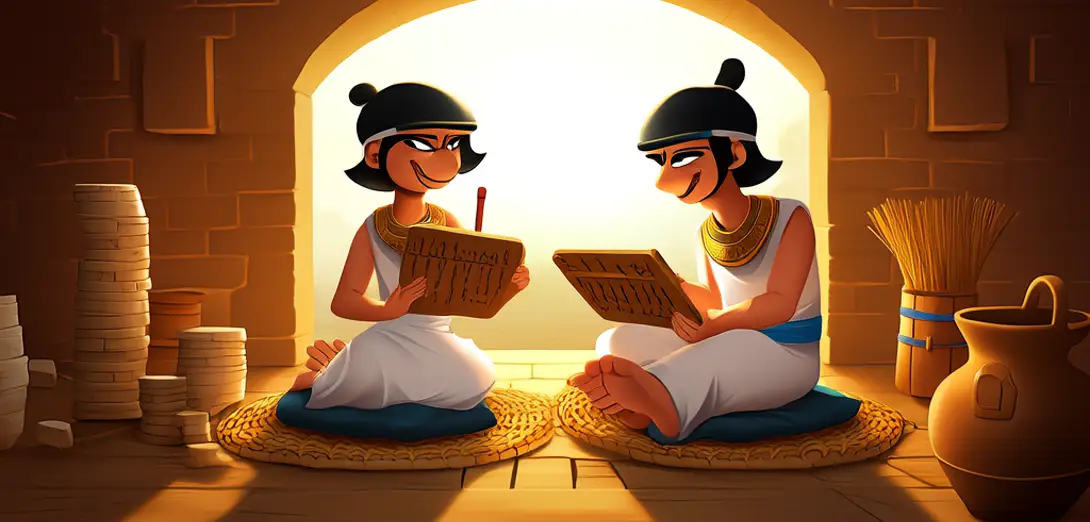
Batch 0005-020 Scribes Wrote History on Clay and Papyrus
批次0005-020:书吏在泥板与纸草上书写历史
-
Scribes in Mesopotamia pressed signs into wet clay tablets carefully.美索不达米亚的书吏小心地将符号压印在湿润的泥板上。
-
Egyptian scribes wrote hieroglyphs on papyrus scrolls with reed pens.埃及书吏用芦苇笔在纸莎草卷轴上书写象形文字。
-
They recorded harvests, wars, temple gifts, and royal decrees daily.他们每日记录收成、战争、神庙供奉和王室法令。
-
Training took years in special schools attached to temples or palaces.培训需数年,通常在附属于神庙或宫殿的专门学校进行。
-
Most people could not read, so scribes held great social power.大多数人不识字,因此书吏拥有极高的社会地位。
-
Their records let modern historians understand ancient societies deeply.他们的文献使现代史学家得以深入理解古代社会。
-
Clay lasted longer than papyrus, but both preserved voices from long ago.泥板比纸莎草更耐久,但两者都保存了远古时代的声音。
-
Writing made memory official, permanent, and transferable across generations.文字使记忆变得正式、永久,并可跨代传承。