正在确认阅读权限…
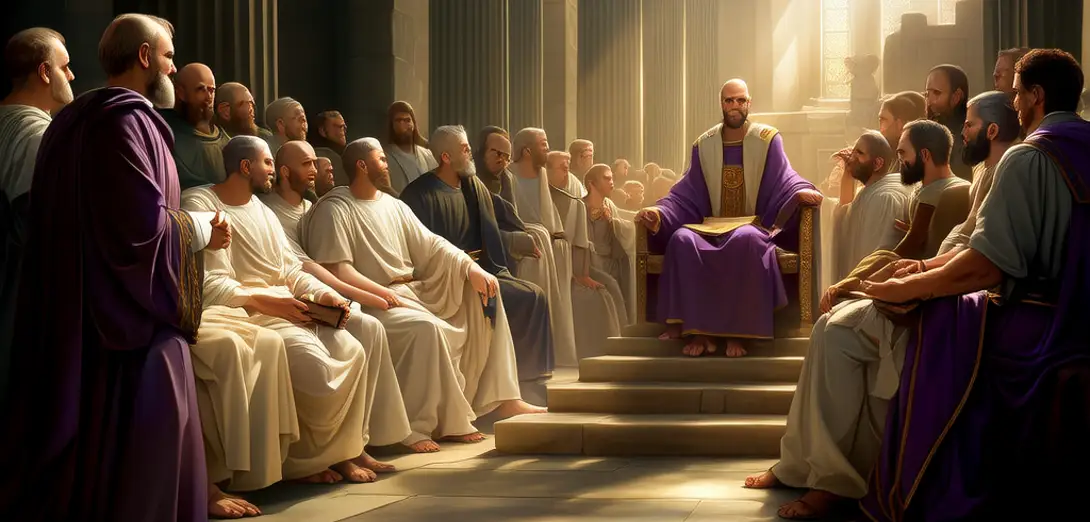
Batch 0020-037: The Council of Nicaea and the Unification of Christian Doctrine
批次0020-037:尼西亚公会议与基督教教义的统一
-
Emperor Constantine convened the Council of Nicaea in 325 CE to resolve theological disputes dividing the Church.公元325年,君士坦丁皇帝召开尼西亚公会议,以解决分裂教会的神学争端。
-
Bishops from across the Roman Empire debated Christ’s nature, especially his relationship to God the Father.来自罗马帝国各地的主教就基督的本质展开辩论,尤其聚焦于他与圣父的关系。
-
The resulting Nicene Creed affirmed that Jesus was 'of the same substance' as the Father, rejecting Arianism.由此产生的《尼西亚信经》宣告耶稣与圣父‘同质’,驳斥了阿里乌主义。
-
This doctrinal statement became a benchmark for orthodoxy and shaped liturgy, education, and imperial policy.这一教义声明成为正统信仰的标尺,深刻影响了礼仪、教育和帝国政策。
-
Uniform belief strengthened Christianity’s political cohesion as it transitioned from persecuted sect to state religion.统一的信仰强化了基督教的政治凝聚力,助其从受迫害的教派转变为国教。
-
Local bishops gained authority to enforce creedal conformity, linking ecclesiastical power to imperial administration.地方主教获得强制执行信经一致性的权力,使教会权威与帝国行政紧密联结。
-
Dissenting clergy faced exile or loss of office, revealing how theology intersected with imperial control.持异议的神职人员遭流放或免职,凸显神学与帝国统治的交织。
-
The council’s model inspired later ecumenical gatherings that defined doctrine across medieval Christendom.此次公会议的模式启发了后世多次普世性大公会议,为中世纪整个基督教世界确立教义。
-
Its decisions endured despite centuries of controversy, influencing theology from Byzantium to Western Europe.其决议历经数百年争议而屹立不倒,影响遍及拜占庭至西欧的神学思想。
-
Nicaea showed how religious unity could serve both spiritual coherence and imperial stability.尼西亚表明,宗教统一既能维系灵性共识,亦能巩固帝国稳定。