正在确认阅读权限…
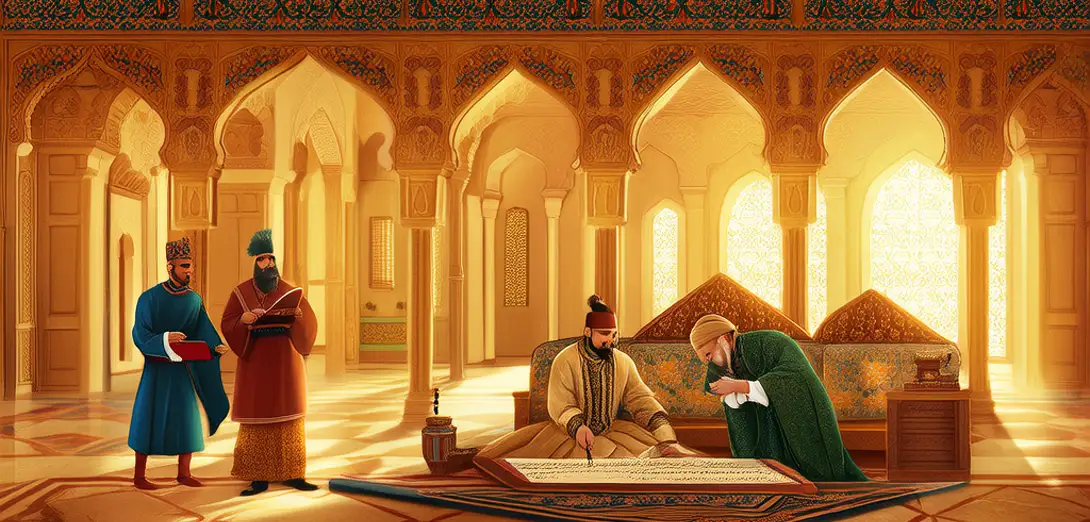
Batch 0012-049: The Mughal Empire’s Persianate Administration and Cultural Synthesis
批次0012-049:莫卧儿帝国的波斯化行政与文化融合
-
The Mughal rulers adopted Persian as their court language and modeled administration on Safavid and Timurid precedents.莫卧儿统治者采用波斯语为宫廷语言,并以萨法维王朝和帖木儿王朝为行政范本。
-
Persian secretaries, accountants, and historians managed revenue, justice, and imperial chronicles across northern India.波斯籍文书、会计和史官负责管理北印度的税收、司法和帝国编年史。
-
Local Hindu elites collaborated within this framework, serving as zamindars and military commanders under Mughal oversight.地方印度教精英在此框架内与莫卧儿合作,担任莫卧儿监管下的柴明达尔(地主)和军事指挥官。
-
Artistic patronage blended Persian calligraphy, Indian miniature painting, and Central Asian architectural forms.艺术赞助融合了波斯书法、印度细密画和中亚建筑形式。
-
Akbar’s Din-i Ilahi reflected attempts to synthesize Islamic, Hindu, Zoroastrian, and Christian ideas for imperial unity.阿克巴的“神圣宗教”试图融合伊斯兰教、印度教、琐罗亚斯德教和基督教思想,以实现帝国统一。
-
Revenue systems like the zabt measured land yields precisely, enabling predictable taxation without disrupting village autonomy.如“扎布特”等税收制度精确丈量土地产量,使征税可预期,又不破坏村庄自治。
-
This administrative flexibility allowed the empire to integrate diverse regions while maintaining centralized command.这种行政灵活性使帝国得以整合多元地区,同时维持中央集权。
-
Sanskrit and regional languages coexisted with Persian in legal and literary spheres, enriching multilingual scholarship.梵语及各地方语言与波斯语在法律和文学领域并存,丰富了多语种学术传统。
-
The synthesis declined after Aurangzeb’s narrower religious policies, yet its legacy shaped Indo-Islamic civilization.随着奥朗则布推行更狭隘的宗教政策,这种融合逐渐衰落,但其遗产深刻塑造了印—伊斯兰文明。
-
Mughal governance proved how hybrid institutions could sustain multiethnic empires for over two centuries.莫卧儿治理证明,混合型制度可支撑一个多民族帝国延续两百余年。