正在确认阅读权限…
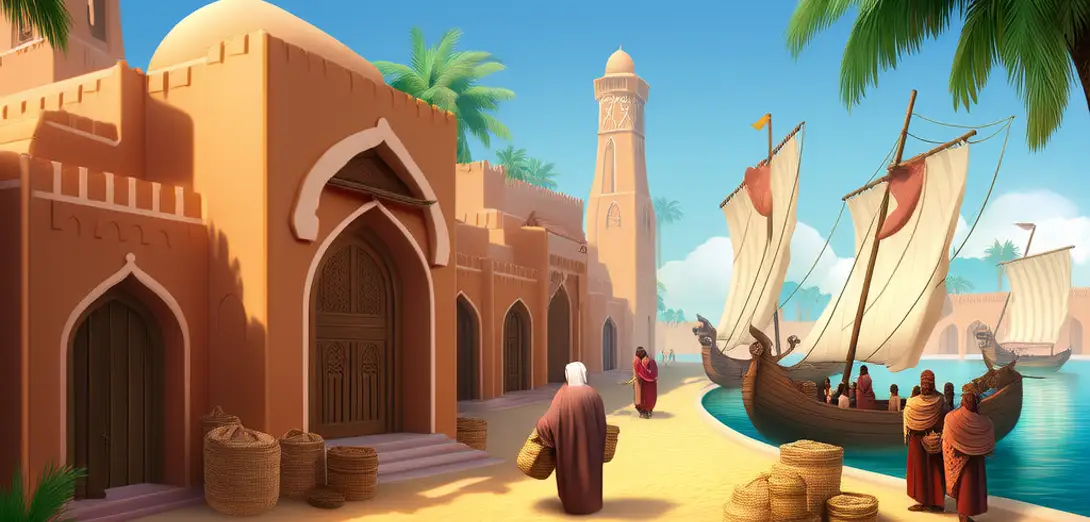
Batch 0020-027: The Swahili Coast City-States and Indian Ocean Commercial Networks
批次0020-027:斯瓦希里海岸城邦与印度洋商业网络
-
From the 8th to 15th centuries, Swahili city-states like Kilwa and Mombasa thrived along East Africa’s coast.8至15世纪,基尔瓦、蒙巴萨等斯瓦希里城邦在东非沿海繁荣发展。
-
Arab, Persian, and Indian merchants settled there, intermarrying with Bantu-speaking communities and adopting Islam gradually.阿拉伯、波斯和印度商人定居于此,与讲班图语的社群通婚,并逐渐皈依伊斯兰教。
-
Stone mosques, coral architecture, and Arabic inscriptions reflected cosmopolitan identity rooted in trade, not conquest.石砌清真寺、珊瑚建筑和阿拉伯铭文体现了植根于贸易而非征服的世界主义身份。
-
Gold, ivory, and enslaved people flowed inland to coastal ports, exchanged for cloth, ceramics, and glass beads from Asia.黄金、象牙和被奴役者从内陆运至沿海港口,换取来自亚洲的布匹、陶瓷和玻璃珠。
-
Swahili language emerged as a lingua franca, blending Bantu grammar with Arabic vocabulary for commerce and diplomacy.斯瓦希里语作为通用语兴起,融合班图语语法与阿拉伯语词汇,用于商业与外交。
-
City councils governed autonomously but maintained diplomatic ties with rulers in Yemen, Gujarat, and later Portugal.各城邦由市议会自主治理,同时与也门、古吉拉特乃至后来的葡萄牙统治者保持外交联系。
-
Monsoon winds dictated seasonal trade rhythms, connecting Swahili ports to networks stretching from China to the Red Sea.季风决定了季节性贸易节奏,将斯瓦希里港口与中国至红海的贸易网络相连。
-
When Portuguese forces attacked in the early 1500s, they disrupted but did not erase Swahili commercial resilience.16世纪初葡萄牙军队入侵,虽扰乱但未能摧毁斯瓦希里商业的韧性。
-
Archaeological evidence shows continuity in trade goods and urban layout despite shifting imperial pressures.考古证据显示,尽管帝国压力更迭,贸易商品与城市布局仍具延续性。
-
These city-states exemplified how maritime connectivity fostered cultural synthesis without centralized empire.这些城邦彰显了海洋联通如何在无中央集权帝国的情况下促成文化融合。