正在确认阅读权限…
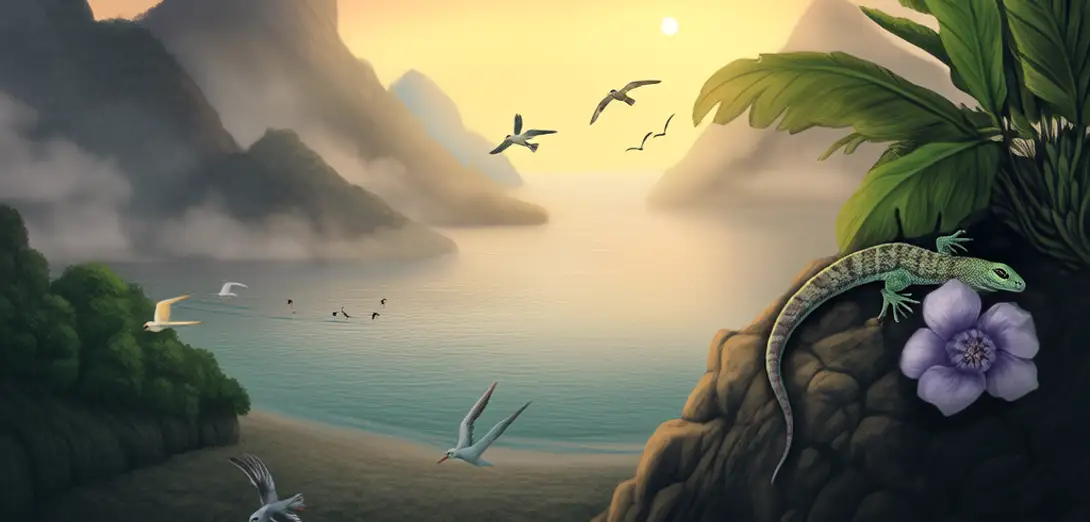
Islands Tell Stories of Isolation, Adaptation, and Connection
岛屿讲述着隔离、适应与联结的故事
-
Islands evolve unique species because geographic isolation limits gene flow and encourages speciation over time.岛屿因地理隔离限制基因交流,长期演化出独特物种。
-
New Zealand’s flightless birds, like the kiwi, thrived without land predators until humans arrived with rats and dogs.新西兰的无翼鸟类(如几维鸟)在人类携鼠类和犬类抵达前,因无陆地天敌而繁盛。
-
Pacific island nations face existential threats from sea-level rise, yet contribute less than 0.03% of global emissions.太平洋岛国面临海平面上升的生存威胁,但其全球碳排放占比不足0.03%。
-
Ferry networks, air bridges, and undersea fiber-optic cables now link remote islands to global information and markets.渡轮网络、空中航线和海底光纤电缆如今将偏远岛屿接入全球信息与市场。
-
Traditional navigation knowledge—using stars, waves, and bird behavior—still guides voyages across thousands of ocean miles.依靠星辰、波浪和鸟类行为的传统导航知识,至今仍指引着横跨数千海里的航程。
-
Volcanic islands like Iceland and Réunion host geothermal energy plants that power entire communities cleanly.冰岛、留尼汪等火山岛设有地热电站,为整个社区提供清洁电力。
-
Tourism brings income but also invasive species, coral bleaching, and pressure on limited freshwater supplies.旅游业带来收入,也引入外来物种、导致珊瑚白化,并加剧淡水资源压力。
-
Island governments often lead in climate policy, pushing for international agreements and renewable energy transitions.岛国政府常在气候政策上率先行动,推动国际协定与可再生能源转型。
-
Microgrids powered by solar and wind help small islands achieve energy independence and resilience.太阳能与风能驱动的微电网助力小岛实现能源自主与韧性。
-
Studying islands reveals how scale, connectivity, and stewardship shape sustainability in any human settlement.研究岛屿揭示了规模、连通性与治理如何塑造任何人类聚居地的可持续性。