正在确认阅读权限…
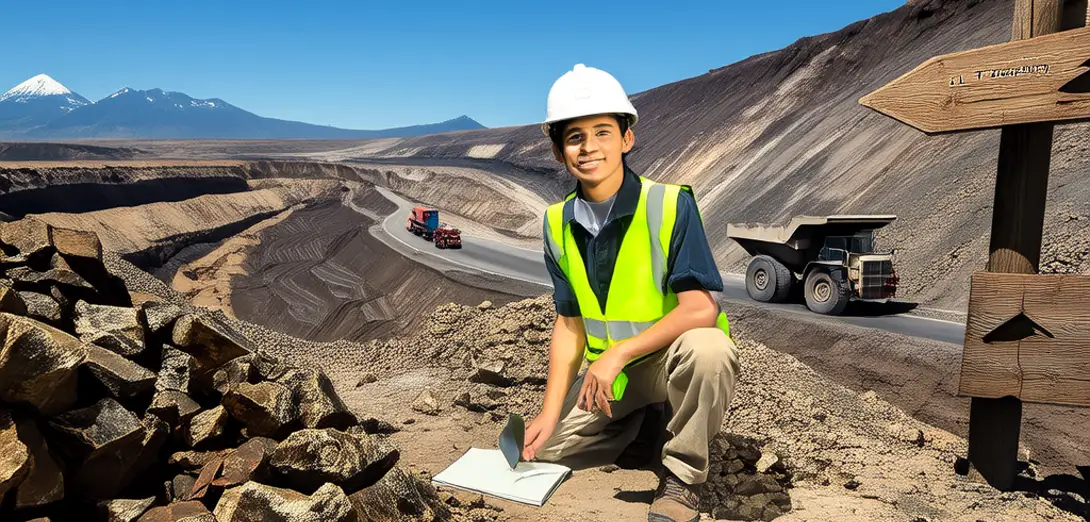
Minerals Shape Nations: From Copper Valleys to Lithium Deserts
矿物塑造国家:从铜谷到锂盐滩
-
Chile produces over half the world’s copper, fueling its economy but also exposing it to volatile commodity prices.智利产出了全球一半以上的铜,推动了本国经济,但也使其易受大宗商品价格波动影响。
-
The Atacama Desert holds 55% of global lithium reserves—critical for electric vehicle batteries and renewable energy storage.阿塔卡马沙漠拥有全球55%的锂储量——这是电动汽车电池和可再生能源储能的关键原料。
-
Mining creates jobs and exports, yet often displaces communities and contaminates water with heavy metals or acid runoff.采矿业创造就业和出口收入,却也常导致社区流离失所,并以重金属或酸性径流污染水源。
-
Botswana transformed from one of Africa’s poorest countries into a middle-income nation by managing diamond revenues wisely.博茨瓦纳通过审慎管理钻石收入,从非洲最贫穷国家之一跃升为中等收入国家。
-
Rare earth elements—used in smartphones and wind turbines—are concentrated in China, giving it strategic leverage.智能手机和风力涡轮机所需的稀土元素主要集中在中国,赋予其战略优势。
-
Artisanal miners in the Democratic Republic of Congo supply much of the world’s cobalt, often under unsafe conditions.刚果民主共和国的手工矿工供应了全球大部分钴,但作业条件往往极不安全。
-
Circular economy models aim to recover metals from e-waste rather than digging deeper into Earth’s crust.循环经济模式旨在从电子废弃物中回收金属,而非进一步向地壳深处开采。
-
Geopolitical tensions rise when critical minerals become tools of diplomacy or sanctions, not just trade goods.当关键矿物成为外交或制裁工具而不仅是贸易商品时,地缘政治紧张局势加剧。
-
Mapping mineral deposits helps countries negotiate fair royalties and invest in local processing, not just raw exports.绘制矿产资源分布图有助于各国协商合理特许权使用费,并投资本地加工,而非仅出口原矿。
-
Responsible mining requires transparent contracts, community consent, and environmental safeguards built into every phase.负责任采矿要求合同透明、社区知情同意,并在每个阶段嵌入环境保障措施。