正在确认阅读权限…
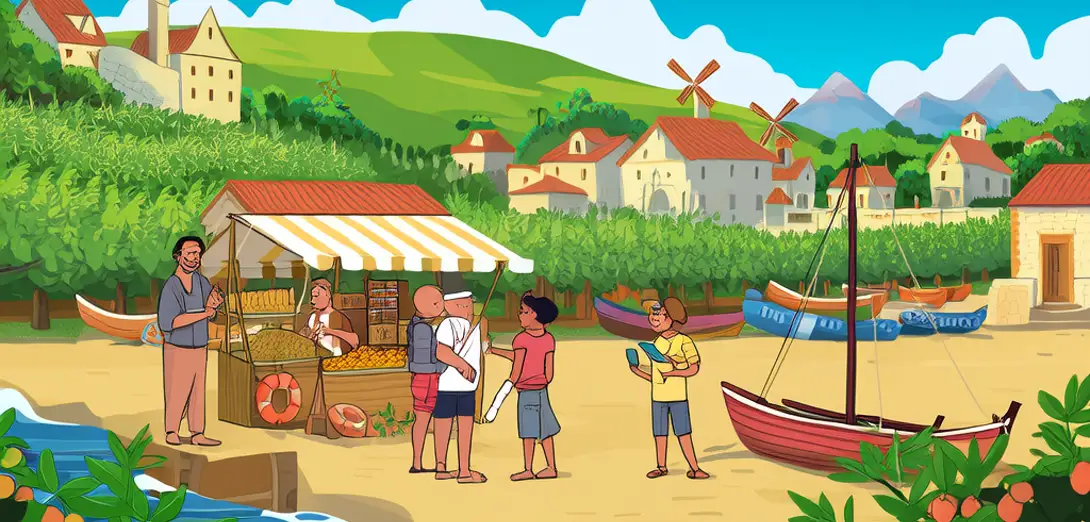
Regions Are More Than Maps: Shared Culture, Economy, and Identity
区域不止于地图:共享的文化、经济与认同
-
A region is not just an area on a map—it emerges from shared language, history, trade links, or environmental conditions.一个区域不仅是地图上的某片地域,更源于共同的语言、历史、贸易联系或环境条件。
-
The European Union functions as a political and economic region despite national borders and linguistic diversity.欧盟虽存在国界与语言差异,却作为一个政治经济区域有效运转。
-
Southeast Asia shares monsoon climates, rice-based agriculture, and centuries-old maritime trade networks.东南亚共享季风气候、稻作农业及延续数百年的海上贸易网络。
-
Appalachia in the eastern U.S. forms a cultural region defined by mountain geography and coal-mining heritage.美国东部阿巴拉契亚地区因山地地貌与煤炭开采传统而形成独特文化区域。
-
The Middle East is often grouped by religion, oil economies, and colonial-era boundary legacies.中东常因宗教、石油经济及殖民时期遗留的边界而被归为一类。
-
Digital connectivity now creates ‘virtual regions’ where people collaborate across continents using shared platforms.数字连通性催生了‘虚拟区域’,人们借助共享平台跨洲协作。
-
Regional identities sometimes strengthen when people resist centralized government policies or global homogenization.当民众抵制中央政府政策或全球同质化趋势时,区域认同感反而可能增强。
-
Tourism marketing often highlights regional uniqueness—think Basque cuisine or Bavarian festivals—to attract visitors.旅游营销常突出区域独特性——如巴斯克美食或巴伐利亚节日——以吸引游客。
-
Geographers study regions to understand how place shapes opportunity, inequality, and collective action.地理学者研究区域,旨在理解空间如何塑造机遇、不平等与集体行动。
-
Recognizing regional complexity helps avoid oversimplified stereotypes about people and places.认识区域的复杂性有助于避免对人群与地方产生过度简化的刻板印象。