正在确认阅读权限…
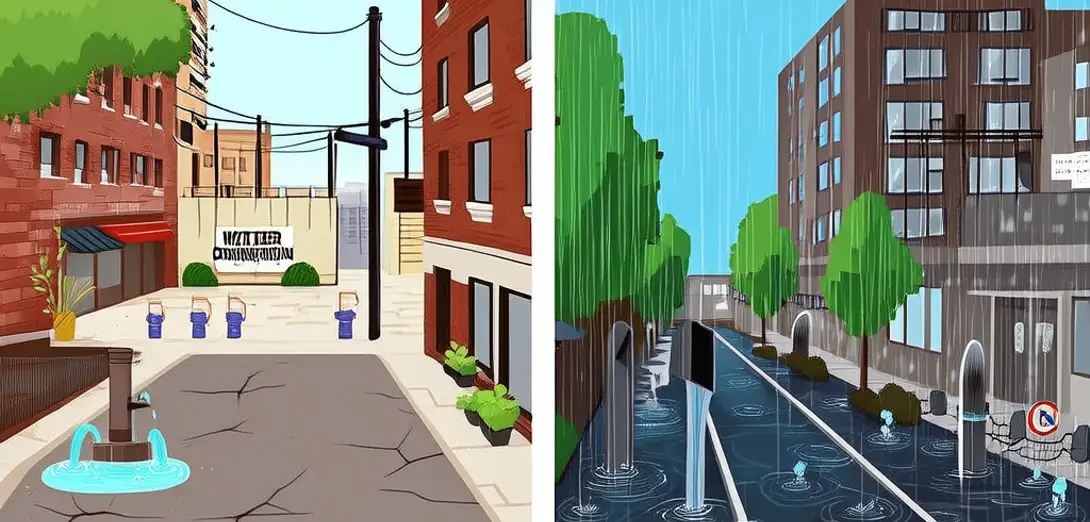
Water Scarcity Is Local, Not Global: Why Some Cities Run Dry While Others Overflow
水资源短缺是局部现象,而非全球问题:为何一些城市干涸而另一些泛滥
-
Water scarcity isn’t about total global supply—it’s about uneven distribution, aging infrastructure, and poor management.水资源短缺并非源于全球总供应不足,而是分布不均、基础设施老化和管理不善所致。
-
Cape Town faced ‘Day Zero’ in 2018 after years of drought combined with rapid urban growth and weak conservation.2018年,开普敦因长期干旱叠加城市快速扩张与节水不力,一度逼近‘零水日’。
-
Meanwhile, Jakarta floods regularly due to sinking land, blocked canals, and intense monsoon rains.与此同时,雅加达因地层下沉、河道堵塞及强季风降雨而频繁内涝。
-
São Paulo’s reservoirs dropped below 5% capacity in 2014, yet nearby farms wasted water on export crops.2014年,圣保罗水库蓄水量跌破5%,而周边农场却将大量水用于出口作物灌溉。
-
Desalination plants help coastal cities like Perth and Tel Aviv, but they’re energy-intensive and expensive.海水淡化厂为珀斯和特拉维夫等沿海城市提供支持,但能耗高、成本昂贵。
-
Rainwater harvesting and greywater recycling are low-cost solutions widely adopted in Bangalore and Mexico City.雨水收集与灰水回用是低成本方案,在班加罗尔和墨西哥城已广泛应用。
-
Transboundary rivers—like the Nile or Mekong—require cooperation among countries to prevent conflict over shared flows.尼罗河、湄公河等跨境河流需流域国合作,方能避免因共享水流引发冲突。
-
Climate change intensifies both droughts and floods, making water governance more urgent and complex.气候变化加剧旱涝极端性,使水资源治理更紧迫也更复杂。
-
Urban water resilience depends less on new dams and more on fixing leaks, pricing fairly, and restoring watersheds.城市水韧性提升,关键不在新建水坝,而在修复漏损、合理定价和修复流域生态。
-
Local action, informed by science and equity, remains the most effective response to water stress anywhere.立足本地、以科学为依据、兼顾公平的行动,仍是应对全球水压力最有效的途径。