正在确认阅读权限…
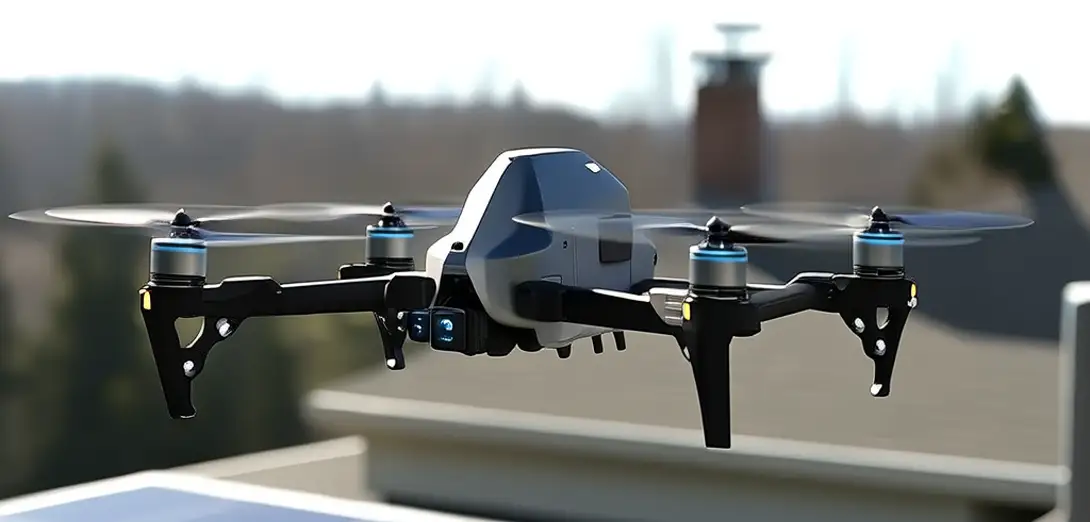
How Drones Maintain Stable Flight Using Gyroscopic Sensors and Feedback Loops
无人机如何利用陀螺仪传感器与反馈回路保持稳定飞行
-
Drones stay balanced mid-air by constantly measuring tilt with tiny gyroscopic sensors.无人机依靠微型陀螺仪传感器持续测量倾斜角度,从而在空中保持平衡。
-
These sensors detect even slight angular changes and send real-time data to the flight controller.这些传感器能探测到微小的角度变化,并将实时数据发送至飞控系统。
-
The controller then adjusts motor speeds within milliseconds to counteract unwanted movement.飞控系统随即在毫秒级内调整电机转速,以抵消非预期运动。
-
This closed-loop feedback system works faster than human reflexes can respond.这种闭环反馈系统的响应速度远超人类反射速度。
-
Wind gusts or uneven weight distribution trigger immediate corrections without pilot input.阵风或载重不均会触发无需人工干预的即时修正。
-
Gyroscopes rely on conservation of angular momentum, making them highly reliable in motion.陀螺仪基于角动量守恒原理,运动中高度可靠。
-
Unlike simple accelerometers, gyroscopes track rotation precisely in three dimensions.与简单的加速度计不同,陀螺仪可精准追踪三维空间中的旋转。
-
Modern drones combine gyros with accelerometers and magnetometers for full orientation awareness.现代无人机融合陀螺仪、加速度计和磁力计,实现全方位姿态感知。
-
Such sensor fusion allows autonomous hovering, smooth video capture, and precise GPS navigation.此类传感器融合技术支撑自主悬停、平稳视频拍摄及精准GPS导航。
-
This technology also enables collision avoidance and intelligent path planning in complex environments.该技术还可在复杂环境中实现避障与智能路径规划。