正在确认阅读权限…
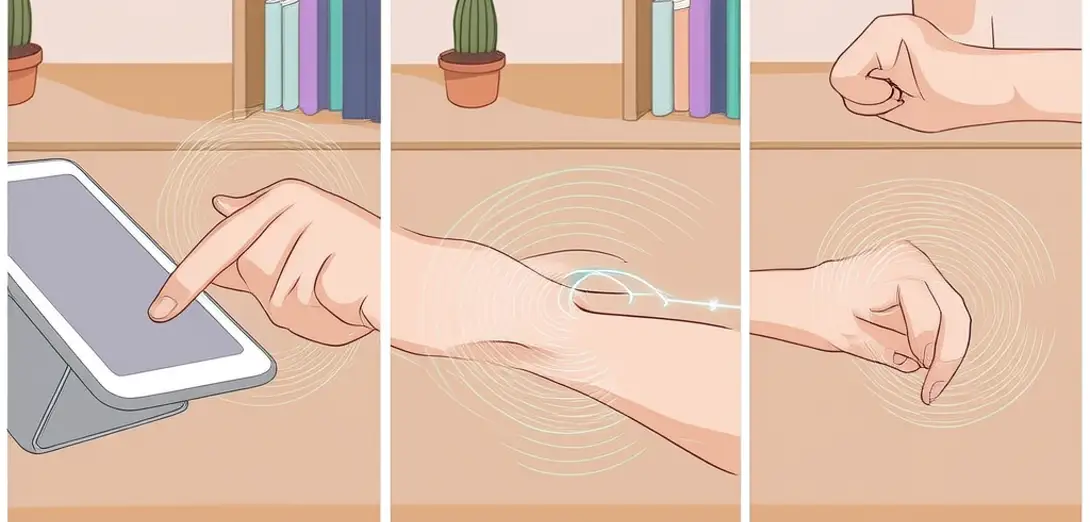
How Touchscreens Distinguish Between Finger Tap, Swipe, and Pinch Gestures
触摸屏如何区分点击、滑动与双指缩放手势
-
Capacitive touchscreens detect finger contact by measuring tiny changes in electrical field distribution.电容式触摸屏通过检测电场分布的微小变化来感知手指接触。
-
A single tap registers as a brief, localized capacitance spike at one coordinate point.单击操作表现为某一点坐标上短暂而局部的电容峰值。
-
Swipes are identified by tracking continuous coordinate shifts across multiple sensor nodes over time.滑动操作通过追踪多个传感器节点上随时间连续变化的坐标位移来识别。
-
Pinch gestures require simultaneous detection of two distinct contact points moving closer or farther apart.捏合手势需同时检测两个独立触点彼此靠近或远离的运动。
-
Advanced algorithms filter out accidental touches using pressure duration and motion velocity thresholds.高级算法利用按压时长和运动速度阈值过滤误触。
-
Some screens even analyze finger surface area to differentiate thumbs from fingertips.部分屏幕甚至分析手指接触面积,以区分拇指与指尖。
-
Gesture recognition relies on microsecond-level timing precision between electrode row and column scans.手势识别依赖于电极行列扫描间微秒级的时间精度。
-
Machine learning models trained on millions of user interactions refine accuracy across device sizes.基于数百万用户交互训练的机器学习模型,可提升不同尺寸设备的识别准确率。
-
This same principle enables palm rejection and stylus compatibility in modern tablets.同一原理也支持现代平板电脑的手掌防误触和手写笔兼容功能。
-
All processing happens locally on the display controller—no cloud dependency is needed.所有处理均在显示屏控制器本地完成,无需依赖云端。