正在确认阅读权限…
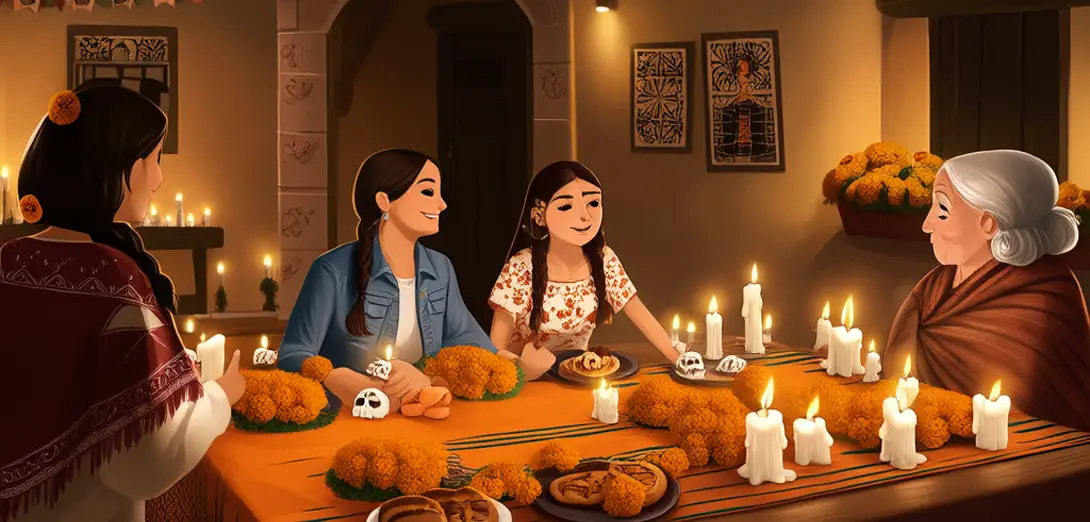
Silent Respect During Mexico’s Día de Muertos
墨西哥亡灵节中的静默敬意
-
Families build ofrendas — altars adorned with marigolds, candles, photos, and favorite foods — to welcome spirits home for one night.家人搭建祭坛——摆上万寿菊、蜡烛、照片和逝者生前最爱的食物——迎接亡灵回家共度一晚。
-
Rather than mourning, people laugh, sing old songs, and tell lively stories about deceased loved ones to keep memories joyful and alive.人们不哀悼,而是欢笑、唱老歌、生动讲述已故亲人的故事,让记忆充满欢乐与生机。
-
Sugar skulls bear names written in icing, not as reminders of death but as playful, loving invitations to return.糖骷髅上用糖霜写有名字,不是提醒死亡,而是以俏皮而深情的方式邀请逝者归来。
-
Cemeteries become peaceful gathering places where families sweep graves, place fresh flowers, and sit quietly beside them for hours.墓地变成宁静的聚会场所,家人清扫墓碑、摆放鲜花,并静静守候数小时。
-
Children wear face paint resembling calaveras, not to frighten but to celebrate life’s natural cycle with humor and color.孩子们脸上画着骷髅图案,不是为了吓人,而是以幽默与色彩庆祝生命自然的轮回。
-
Traditional pan de muerto, sweet bread shaped like bones and dusted with sugar, is offered both on altars and shared among living guests.传统的‘亡灵面包’——形似骨头、撒满糖霜的甜面包——既供奉于祭坛,也与在世宾客分享。
-
No loud music plays near gravesites; instead, soft guitar melodies float through the air like gentle conversations across time.墓地旁不播放喧闹音乐,唯有轻柔的吉他旋律飘荡空中,宛如跨越时空的温柔对话。
-
Visitors leave handwritten notes or small tokens — a child’s drawing, a pressed leaf — believing spirits read them with care.访客留下手写便条或小物件——如孩子的画作、一片压平的树叶——相信逝者会细心阅读。