正在确认阅读权限…
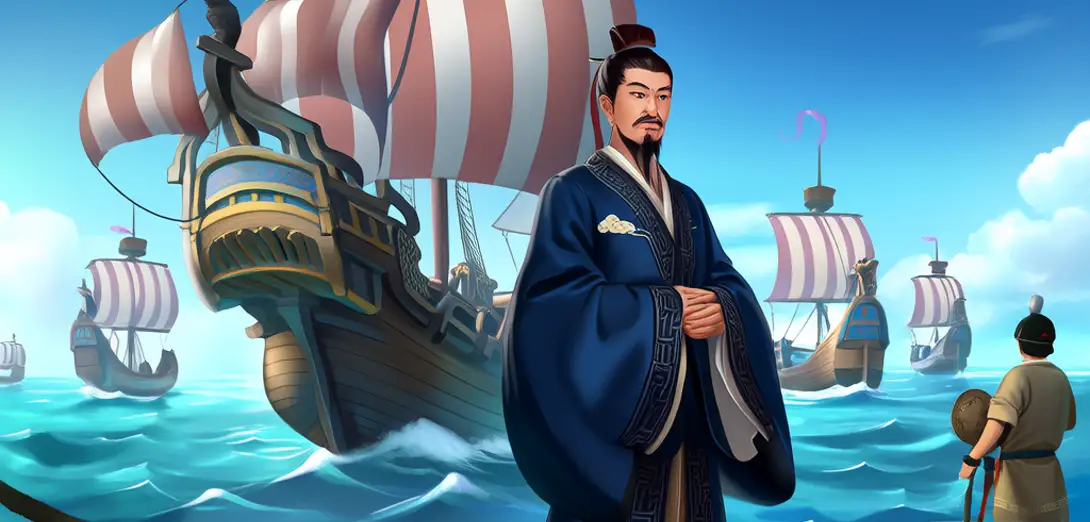
The Ming Dynasty’s Treasure Voyages
明朝郑和下西洋
-
From 1405 to 1433, Admiral Zheng He led seven massive naval expeditions across the Indian Ocean.1405至1433年间,郑和率领七次大规模远洋船队横渡印度洋。
-
His fleet included over 300 ships and 27,000 men—larger than any European fleet for the next four centuries.他的船队拥有三百余艘船只、两万七千余人,规模超过此后四百年间任何欧洲舰队。
-
Voyages reached Vietnam, Java, Arabia, and as far as Kenya, carrying silk, porcelain, and diplomatic gifts.船队抵达越南、爪哇、阿拉伯半岛,最远至肯尼亚,运送丝绸、瓷器及外交礼品。
-
Chinese envoys collected tribute, mapped coastlines, and resolved disputes between regional rulers.中国使节沿途接受朝贡、测绘海岸、调解地方统治者间的争端。
-
The voyages showcased Ming power but cost enormous resources without direct economic returns.这些航行彰显了明朝国力,却耗费巨大而未获直接经济回报。
-
After Emperor Yongle’s death, officials argued for inward focus, ending expeditions and banning ocean travel.永乐帝驾崩后,官员主张内敛,终止远航并禁止出海。
-
Shipbuilding records were destroyed, and maritime knowledge faded from official education.造船档案被销毁,航海知识也逐渐淡出官方教育。
-
These journeys proved China’s capability for peaceful global engagement long before European dominance at sea.这些远航证明,早在欧洲海上称霸之前,中国已具备和平参与全球事务的能力。