正在确认阅读权限…
The Q’eswachaka Rope Bridge Renewal in the Andes: Inca Engineering as Living Treaty
安第斯山脉克什瓦恰卡绳桥重修:印加工程作为活态契约
-
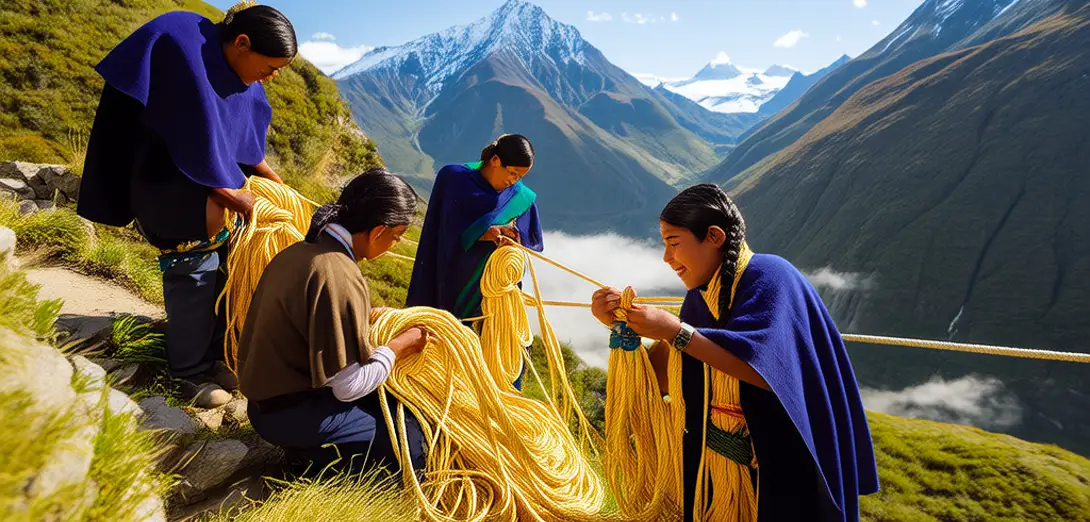
Every June, four Quechua communities gather to rebuild the Q’eswachaka bridge using only grass fibers and ancestral knots.每年六月,四个克丘亚社区齐聚一堂,仅用草纤维和祖传绳结重建克什瓦恰卡桥。
-
No engineer arrives with blueprints—the bridge’s geometry emerges from elders’ chants and hand gestures.没有工程师带着图纸而来——桥梁的几何结构源自长者的吟唱与手势。
-
Children twist q’oya grass while elders recite names of ancestors who first spanned this gorge in 1450.孩子们搓捻乔亚草,长者则吟诵1450年首次跨越此峡谷的祖先之名。
-
The bridge lasts only one year, yet its renewal reaffirms a treaty binding communities across political borders.桥梁仅存一年,但其年复一年的重建重申了一项跨越政治边界的社区盟约。
-
Tourists cross it carefully, unaware their footsteps echo centuries of mutual aid, not tourism.游客小心翼翼地走过桥面,却 unaware 自己的脚步回响着数个世纪的互助传统,而非旅游观光。
-
When Spanish colonizers demanded taxes, communities paid with rope—so the bridge became both infrastructure and quiet resistance.西班牙殖民者征税时, communities 以绳索缴税——桥梁由此成为基础设施,亦是无声抵抗。
-
Women weave outer cables; men braid central supports—roles unchanged since Inca census records named them.女性编织外侧缆绳,男性编结中央承重索——自印加人口普查记录命名以来,分工从未改变。
-
At noon on completion day, the oldest weaver walks alone across, testing tension with bare feet and silence.竣工当日正午,最年长的编织者独自赤足走过桥面,以双脚与寂静测试张力。
-
Scientists measure tensile strength, but locals test integrity by how well the bridge hums in high wind.科学家测量抗拉强度,当地人则靠桥梁在强风中是否发出共鸣来检验其稳固性。
-
To step onto Q’eswachaka is to stand inside a sentence spoken aloud for 574 years—and still unfinished.踏上克什瓦恰卡桥,便是置身于一句已持续诵读574年、至今仍未完结的话语之中。