正在确认阅读权限…
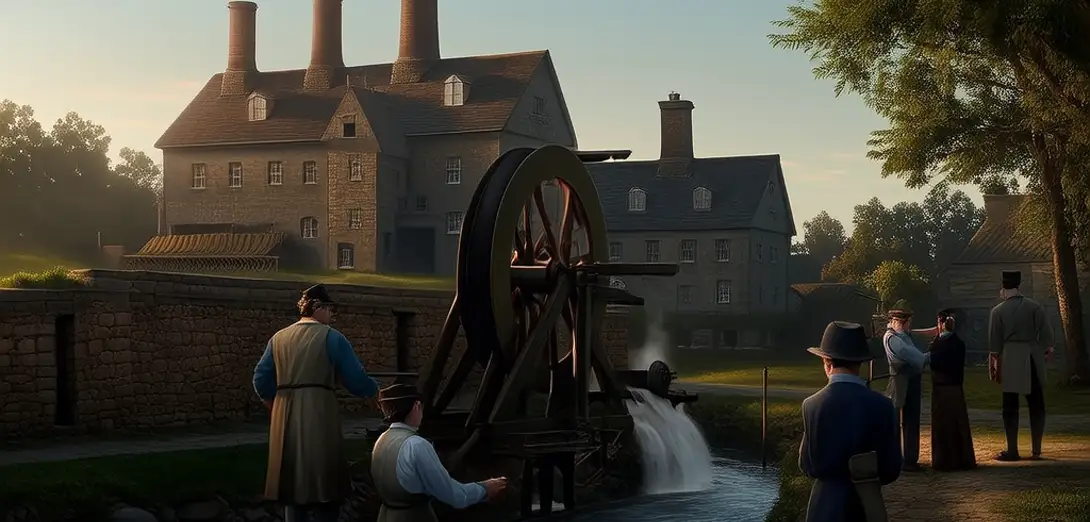
The Industrial Revolution Begins in Textile Mills
工业革命始于纺织工厂
-
In late 18th-century Britain, inventors like James Hargreaves and Richard Arkwright transformed cloth-making with machines powered by water and steam.18世纪晚期,英国发明家如詹姆斯·哈格里夫斯和理查德·阿克莱特利用水力和蒸汽动力机器,彻底改变了纺织业。
-
The spinning jenny allowed one worker to spin eight threads at once, while Arkwright’s water frame produced stronger, more uniform yarn.珍妮纺纱机使一名工人可同时纺八根纱线,而阿克莱特的水力纺纱机则生产出更结实、更均匀的纱线。
-
Factories clustered near rivers for water power, then shifted to coal-powered steam engines after Watt’s improvements in the 1780s.工厂最初沿河流聚集以利用水力,1780年代瓦特改进蒸汽机后,逐渐转向燃煤蒸汽动力。
-
Rural families moved to growing towns like Manchester, where population soared from 17,000 in 1760 to over 300,000 by 1851.农村家庭迁往曼彻斯特等快速扩张的城镇,该城人口从1760年的1.7万激增至1851年的30多万。
-
Factory work demanded strict schedules, discipline, and child labor—often twelve-hour days for children as young as seven.工厂劳动要求严格作息、严明纪律,并普遍使用童工——七岁儿童常每日工作十二小时。
-
New transport networks, especially canals and railways, carried raw cotton from India and America to mills and finished cloth worldwide.新兴交通网络,尤其是运河与铁路,将原棉从印度和美洲运至工厂,并将成品布销往全球。
-
British exports of cotton goods rose tenfold between 1780 and 1830, making textiles the nation’s largest industry.1780至1830年间,英国棉制品出口增长十倍,使纺织业成为国家最大产业。
-
Critics like William Blake called factories ‘dark Satanic mills’, warning of environmental damage and loss of artisan dignity.威廉·布莱克等批评者称工厂为‘黑暗的撒旦磨坊’,警示其对环境的破坏及对手工业者尊严的侵蚀。
-
Yet workers gradually organized unions, won legal limits on child labor, and pushed for education and voting rights over decades.然而,工人逐步组建工会,争取到童工法律限制,并经数十年努力推动教育权与投票权。
-
This textile-driven shift didn’t replace agriculture overnight—but redefined productivity, time, and social roles across industrializing societies.这场由纺织业驱动的变革并未一夜取代农业,却重新定义了工业化社会中的生产力、时间观念与社会角色。