正在确认阅读权限…
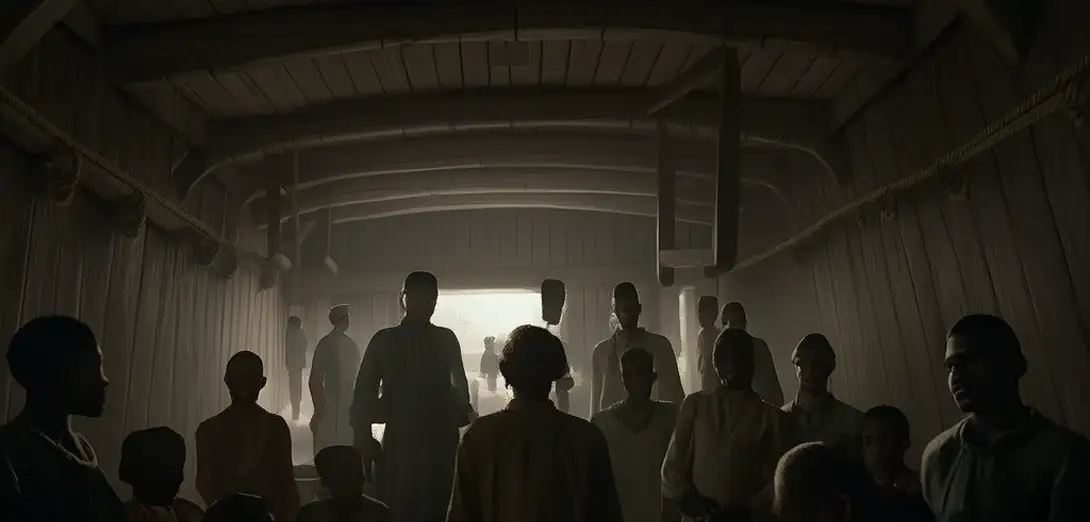
The Abolition of the Atlantic Slave Trade: A Long Campaign
大西洋奴隶贸易的废除:一场漫长运动
-
From the 1500s to early 1800s, over twelve million Africans were forcibly transported across the Atlantic to work on plantations.从16世纪到19世纪初,超过一千二百万非洲人被强行跨大西洋运往种植园劳动。
-
Enlightenment thinkers like Montesquieu and Granville Sharp argued slavery violated natural rights and Christian ethics.孟德斯鸠和格兰维尔·夏普等启蒙思想家指出,奴隶制违背自然权利与基督教伦理。
-
Formerly enslaved writers such as Olaudah Equiano published vivid autobiographies that swayed public opinion in Britain and beyond.曾为奴隶的作家如奥劳达赫·埃奎亚诺出版了生动的自传,在英国及更广范围内影响了公众舆论。
-
Quaker groups organized petitions, boycotts of slave-grown sugar, and lectures—making abolition a mainstream moral issue by the 1780s.贵格会团体发起请愿、抵制奴隶种植的蔗糖,并举办讲座,到1780年代已使废奴成为主流道德议题。
-
In 1807, Britain banned its own slave trade, using naval patrols to intercept illegal ships along West African coasts.1807年,英国禁止本国奴隶贸易,并派海军巡逻西非海岸,拦截非法船只。
-
The United States followed in 1808, though domestic slavery continued and smuggling persisted for decades.美国于1808年跟进禁令,但国内奴隶制持续存在,走私活动亦延续数十年。
-
Brazil—the last major importer—officially ended its trade only in 1850 after intense British diplomatic pressure.巴西作为最后一个主要奴隶进口国,在英国强烈外交压力下,直至1850年才正式终止奴隶贸易。
-
Abolition did not free enslaved people immediately; emancipation came later, often with compensation paid to owners, not victims.废奴并未立即解放奴隶;解放往往延后实现,且常向奴隶主而非受害者支付赔偿。
-
African resistance—including revolts aboard ships and maroon communities in Jamaica and Suriname—had always challenged the system’s stability.非洲人的反抗——包括船上起义以及牙买加、苏里南等地的逃奴社群——始终动摇着奴隶制的根基。
-
Today, historians stress that abolition succeeded only through transnational activism, Black leadership, and relentless moral argument—not benevolent legislation alone.当今史学家强调,废奴成功依赖跨国行动、黑人领导力与不懈的道德论辩,而不仅靠仁慈的立法。