India’s Diwali: The Festival of Lights Across Faiths and Regions
印度排灯节:跨越信仰与地域的光明节
课文音频
可先听下面的整段朗读;需要逐句点读时,请打开阅读器,体验会更顺手。
课文
-
Diwali celebrates the victory of light over darkness and knowledge over ignorance in many Indian traditions.
排灯节在许多印度传统中庆祝光明战胜黑暗、知识战胜愚昧。
-
Hindus honor Lakshmi, the goddess of wealth, while Sikhs mark the release of Guru Hargobind from prison.
印度教徒敬拜财富女神拉克希米,锡克教徒则纪念古鲁·哈尔戈宾德获释出狱。
-
Jains observe Diwali as the day Mahavira attained moksha, or spiritual liberation.
耆那教徒将排灯节视为大雄获得解脱(精神解放)之日。
-
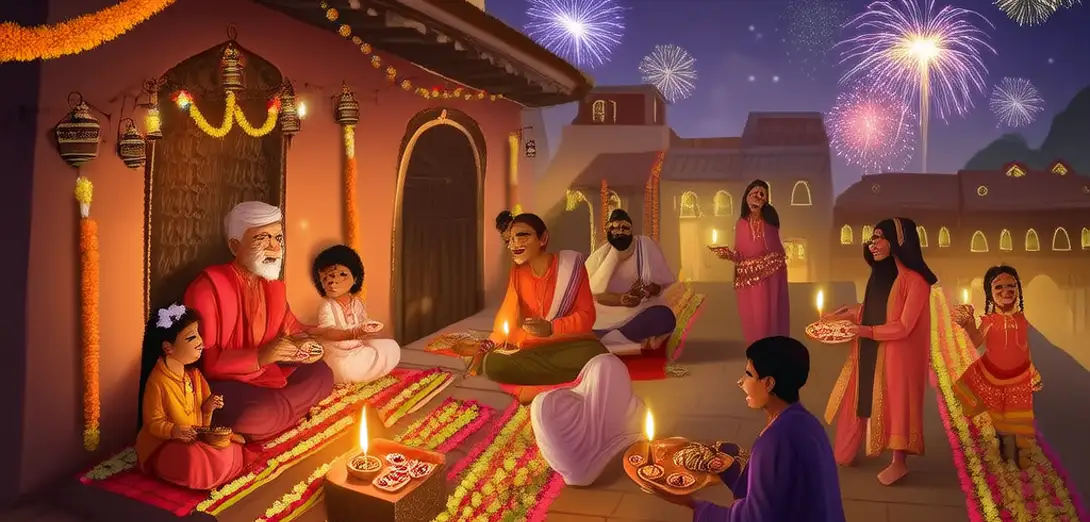
Families clean homes thoroughly, draw colorful rangoli patterns at entrances, and light rows of diyas—clay lamps.
家家户户彻底打扫房屋,在门口绘制五彩缤纷的rangoli图案,并点燃一排排陶制油灯(diyas)。
-
Firecrackers once symbolized warding off evil, but growing environmental awareness has shifted many toward eco-friendly celebrations.
燃放鞭炮原为驱邪,但日益增强的环保意识促使许多人转向生态友好的庆祝方式。
-
Sweets like laddoos and barfis are shared widely, turning neighbors into temporary kin through generosity.
乳酪球(laddoos)和奶酥(barfis)等甜点广为分享,慷慨之举让邻里短暂如亲。
-
In rural villages, farmers light fields to bless new harvests, linking faith with livelihood and land.
在乡村,农民点燃田地祈求新丰收,使信仰与生计、土地紧密相连。
-
Young people now blend tradition with tech—sending digital greeting cards alongside handmade cards.
年轻人如今融合传统与科技,既发送电子贺卡,也亲手制作纸质贺卡。
-
Because regional calendars differ, Diwali falls on different dates across India, reflecting local astronomical calculations.
因各地历法不同,排灯节在印度各地日期各异,反映当地天文计算结果。
-
For diaspora families, lighting diyas together becomes both ritual and quiet resistance against cultural erasure.
对海外侨民家庭而言,共点油灯既是仪式,也是对抗文化消逝的无声坚守。
Go deeper · 在阅读器里可以
- Listen line-by-line — 逐句点读与跟读,把「听懂」练成习惯。
- Save & review — 加入书架,方便下次接着练。
- Unlock more lessons — 后续课时与全书音频可在阅读器中按单本或会员继续使用。
本课重点词汇
点击下列单词可查看中文释义与音标;若首次查询,系统可能需要几秒钟准备结果。想建立长期词汇习惯(选词、复习、词根、语块等),可配合 词汇学习汇总 一起用。
本课学习要点
篇名提示:中文标题「印度排灯节:跨越信仰与地域的光明节」与英文标题对照,可帮助您快速判断本篇话题与难度是否合适。
下面是与本课难度相关的语法与阅读策略提示;系统复习时打开 语法指南,点左边即可跳到对应段落。
本课可能混合多种时态或从句。建议先标出每个谓语动词,判断它属于哪条时间线(现在、过去还是将来),再看从句由哪个词引导、修饰谁。
遇到被动结构 be + 过去分词,先还原「谁做了什么」,再理解作者想突出的是动作还是承受者。
小提示:若句首出现 When / While / After 等从句,先读从句再读主句,更容易抓住时间关系。