正在确认阅读权限…
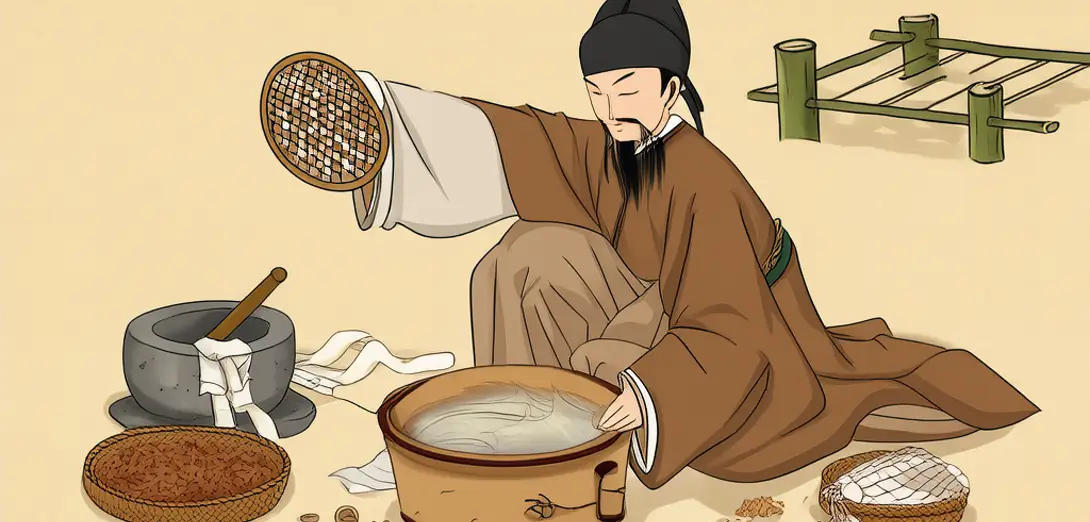
Paper’s Journey: From Han China to Global Knowledge
造纸术传播与知识扩散
-
Around 105 CE, Cai Lun in China improved papermaking by mixing bark, hemp, rags, and fishing nets with water and pressing them into thin sheets.约公元105年,中国蔡伦改进造纸术,将树皮、麻头、破布和渔网捣碎混水,压制成薄纸。
-
Before paper, people wrote on bamboo strips, silk, or expensive parchment, limiting who could afford books or record-keeping.纸张发明前,人们在竹简、丝绸或昂贵的羊皮纸上书写,限制了书籍拥有和文书记录的普及。
-
By the 600s, paper reached Korea and Japan through Buddhist monks, who copied sutras more easily than ever before.至7世纪,佛教僧人将纸传入朝鲜和日本,使佛经抄写比以往更便捷。
-
Arab traders learned the technique after capturing Chinese papermakers at the Battle of Talas in 751, then built mills in Baghdad and Damascus.751年怛罗斯之战后,阿拉伯商人俘获中国造纸工匠,习得技术,并在巴格达和大马士革建起造纸作坊。
-
European monks adopted paper by the 1100s, replacing vellum and enabling faster, cheaper manuscript production in monasteries.12世纪,欧洲修道士开始采用纸张,取代羊皮纸,使修道院手稿制作更快、更廉价。
-
When printing presses arrived in the 1400s, paper supply kept pace—making Bibles, legal codes, and scientific texts widely available.15世纪印刷机问世时,纸张供应同步增长,使《圣经》、法典和科学著作得以广泛传播。
-
Unlike oral traditions or fragile scrolls, paper allowed notes, drafts, and marginalia—supporting critical thinking and peer review.纸张不同于口头传统或易损卷轴,支持笔记、草稿与批注,推动批判性思维与同行评议。
-
Its quiet spread laid groundwork for universities, journalism, and even modern copyright law across multiple civilizations.纸张悄然传播,为多文明中的大学、新闻业乃至现代版权法奠定基础。